
LED soffit lighting is an effective way to improve the appearance, visibility, and functionality of a home’s exterior. Installed beneath roof overhangs, eaves, porch ceilings, and other projecting architectural surfaces, these lights create a welcoming glow after sunset while highlighting the building’s design.
Homeowners increasingly choose LED soffit lights because they offer a clean appearance, a variety of lighting styles, and energy-efficient illumination. From subtle recessed downlights to colorful smart lighting systems, there are many ways to customize the exterior according to your home’s architecture and personal preferences.
The best lighting design balances appearance with practical needs. Properly positioned fixtures can illuminate entrances, highlight textured walls, improve visibility around walkways, and create a more polished exterior. Choosing suitable outdoor-rated products and planning their placement carefully are essential for dependable performance.
What Is LED Soffit Lighting?
LED soffit lighting refers to fixtures installed in or beneath the underside of a roof overhang, porch roof, or similar architectural feature. These lights usually direct illumination downward toward exterior walls, entrances, and the ground below.
A soffit is the finished underside of a projecting roof edge or similar structure. Lighting installed in this area can remain relatively discreet during the day while creating a distinctive appearance at night.
LED soffit lighting is available in several formats, including recessed downlights, surface-mounted fixtures, linear LED strips, and permanent color-changing systems.
Key Benefits of LED Soffit Lighting
- Improves curb appeal: Highlights architectural features and creates a welcoming appearance after dark.
- Supports visibility: Illuminates covered entrances, porches, and selected walkways.
- Offers energy-efficient operation: LED technology can use less electricity than comparable traditional lighting.
- Provides flexible styling: Choose subtle white illumination or decorative color-changing effects.
- Complements modern architecture: Recessed fixtures maintain clean lines beneath roof overhangs.
- Supports automatic controls: Compatible timers, photocells, and motion sensors can simplify operation.
- Highlights exterior materials: Carefully directed light can reveal the texture of brick, stone, stucco, and siding.
Popular Types of LED Soffit Lighting
Choosing the right fixture depends on your exterior design, soffit construction, desired brightness, and installation conditions.
1. Recessed LED Soffit Lights
Recessed LED downlights are among the most popular choices for modern exterior lighting. They fit into a suitable opening beneath the eaves, leaving a neat and unobtrusive finish.
These fixtures are ideal for illuminating front entrances, garage doors, covered patios, and exterior walls. Their downward-facing light can create attractive pools of illumination while keeping the light source relatively discreet.
When selecting recessed fixtures, consider the beam angle, lumen output, trim finish, and weather-resistance rating. A narrow beam may create distinct pools of light, while a wider beam can produce more continuous coverage.
2. LED Strip Lighting Under Roof Eaves
LED strip lighting creates a continuous line of illumination along a roof edge, porch ceiling, or architectural recess. It can produce a subtle outline that emphasizes the building’s shape without using a row of separate visible fixtures.
For a refined appearance, choose a concealed installation with a suitable outdoor-rated channel. Make sure the LED strip, connectors, power supply, and enclosure are all suitable for their specific locations.
This style works particularly well with contemporary homes, flat rooflines, covered balconies, and outdoor entertainment spaces.
3. Smart RGB LED Soffit Lighting
Smart RGB lighting allows homeowners to change colors, adjust brightness, and create customized lighting effects using compatible controls.
These systems are useful for seasonal decorations, celebrations, and personalized exterior designs. Some products also support tunable white light, allowing you to switch between warm everyday illumination and decorative colors.
For a timeless appearance, use warm white for everyday lighting and reserve brighter colors for special occasions. Ensure the entire system is rated for outdoor use and that the controller and power supply are installed appropriately.
4. Adjustable LED Spotlights
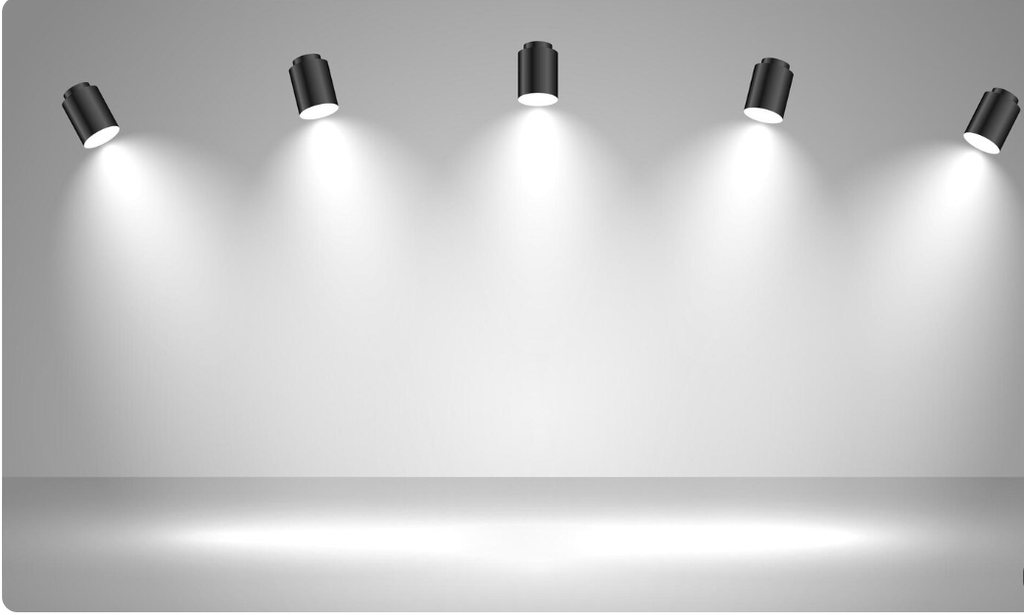
Adjustable soffit spotlights direct light toward selected architectural details, such as stone columns, textured walls, entrance features, and decorative panels.
They are useful when you want to highlight specific elements rather than illuminate every section of the exterior equally.
Choose fixtures with suitable glare control and aim them carefully to avoid shining directly into windows, neighboring properties, or the eyes of people approaching the house.
5. Surface-Mounted LED Soffit Lights
Surface-mounted fixtures attach directly to the soffit instead of being recessed into it. They can be useful when the ceiling material is unsuitable for cutting openings or when there is insufficient clearance for recessed installation.
Compact surface-mounted models can provide a simple, modern finish. Check the fixture’s dimensions, mounting requirements, weather rating, and accessibility for future maintenance.
Best LED Soffit Lighting Ideas for Different Areas
The most effective layout depends on what you want the lighting to accomplish.
Front Entrance Lighting
Install suitable downlights beneath the porch roof or entrance overhang to illuminate the doorway and nearby steps. This creates a welcoming first impression while helping visitors see the entrance more clearly.
Warm-white lighting around 2700K–3000K is often a good starting point for residential entrances. Pair the soffit lights with a suitable wall light or illuminated house number if additional visibility is needed.
Garage and Driveway Lighting
Soffit lights above a garage can highlight the exterior and provide useful illumination near the driveway. Position the fixtures to cover the door and nearby walking areas without creating excessive glare.
If security is a priority, consider compatible motion sensors or photocell controls. Soffit lights can improve visibility, but they should be planned alongside any dedicated security lighting rather than treated as a complete security system.
Patio and Outdoor Seating Areas
Lighting beneath a patio roof can make outdoor seating areas more usable after sunset. Recessed downlights provide general illumination, while concealed LED strips can create a softer decorative effect.
For a relaxing atmosphere, use dimmable fixtures where compatible and combine overhead lighting with other suitable outdoor lights. Ensure that the selected products are rated for the moisture exposure expected in the area.
Exterior Wall and Architectural Lighting
Soffit lighting can highlight brickwork, stone cladding, textured finishes, columns, and decorative wall panels.
The position and beam angle determine whether the wall receives a broad wash of light or more concentrated highlights. Test the proposed arrangement after dark when possible, as the appearance can change considerably depending on the wall texture and fixture spacing.
Balcony and Covered Terrace Lighting
For covered balconies and terraces, slim recessed fixtures or linear LED systems can create a modern appearance without occupying valuable space.
Consider the location of seating, doors, railings, and roof supports when planning the layout. Avoid excessive brightness near bedrooms or neighboring windows, and choose fixtures appropriate for the actual weather exposure.
How to Choose the Right LED Soffit Lights
Before purchasing fixtures, evaluate their brightness, color temperature, beam distribution, construction, and control options.
Consider Brightness and Beam Angle
Brightness is measured in lumens, while watts indicate electricity consumption. Comparing lumen output helps you understand how much light a fixture produces.
Beam angle affects how the light spreads across a wall or the ground. A wider beam generally covers a larger area, while a narrower beam creates a more focused effect.
The ideal choice depends on the height of the soffit, the distance to the illuminated surface, and the intended purpose. Do not rely on a universal spacing rule without checking the manufacturer’s lighting specifications.
Choose a Suitable Color Temperature
Color temperature is measured in kelvins (K) and affects whether the light looks warm or cool.
- 2700K: Warm, inviting illumination for traditional or relaxed residential exteriors.
- 3000K: Warm white that works well with many modern homes.
- 3500K: A balanced option when a slightly cleaner appearance is preferred.
- 4000K: Neutral white that may suit contemporary or functional exterior areas.
- RGB lighting: Adjustable colors for decorative effects and celebrations.
For most residential facades, warm white can help create a comfortable and cohesive appearance. Choose a color temperature that complements the exterior materials and nearby lighting.
Check Outdoor Ratings and Construction
Outdoor fixtures must be suitable for the moisture, dust, and weather conditions where they will be installed.
| Feature | What to check |
|---|---|
| IP rating | Confirm the fixture’s suitability for expected water and dust exposure. |
| Fixture material | Look for durable construction appropriate for outdoor conditions. |
| Lumen output | Select brightness according to the area and intended lighting effect. |
| Beam angle | Check whether the light creates broad coverage or focused highlights. |
| Color temperature | Coordinate the light’s appearance with the exterior design. |
| Dimming and controls | Verify compatibility with the proposed switches, sensors, or smart system. |
| Warranty | Review the manufacturer’s coverage and installation requirements. |
The rating of an LED strip alone does not establish the suitability of its driver, connectors, or junction boxes. Each component must be appropriate for its installation location.
LED Soffit Lighting Placement and Spacing
Fixture placement is one of the most important factors in achieving a professional result. Poorly positioned lights can create uneven bright spots, dark gaps, or unwanted glare.
Plan Around Architectural Features
Begin by identifying the areas you want to illuminate, such as the front door, garage, columns, textured walls, or pathways.
Arrange the fixtures in relation to these features rather than automatically spacing them at equal intervals around the entire roofline. Symmetry can look attractive, but practical lighting coverage should remain the priority.
Test the Lighting Effect
If possible, test a sample fixture at night before finalizing the layout. Observe how the light falls on the wall and ground, and check whether the source is visible from the street or nearby windows.
The height of the soffit, fixture output, beam angle, and surface texture all influence the final appearance. A professional lighting designer can help with complex facades or large properties.
Protect Soffit Ventilation
Some soffits contain ventilation openings that help manage roof moisture and heat. Lighting installation must not block these openings or compromise the roof’s ventilation system.
Before cutting into a soffit, identify the construction materials, structural supports, wiring, and ventilation paths. Recessed fixtures must also meet the manufacturer’s clearance and thermal requirements.
Energy Efficiency and Smart Controls
LED soffit lighting can help reduce energy consumption when compared with less efficient traditional lighting, although actual savings depend on fixture efficiency, operating hours, and the lights being replaced.
Smart controls can make outdoor lighting easier to manage. Compatible systems may include:
- Photocells that switch lights on when daylight fades.
- Timers that turn lights off at a chosen time.
- Motion sensors that activate lighting when movement is detected.
- Dimmers that adjust brightness when supported by the fixture.
- Smart-home controls that manage compatible lighting through an app.
For everyday use, a simple schedule or photocell can provide convenient automatic operation. Choose controls that suit the system and avoid leaving decorative lighting unnecessarily bright throughout the night.
Installation and Maintenance Tips
Exterior lighting requires careful installation because the fixtures and electrical components are exposed to environmental conditions.
Follow Electrical Safety Requirements
Use fixtures approved for their intended outdoor locations and follow the manufacturer’s installation instructions. Electrical work should comply with local regulations and include appropriate protection, grounding, and weather-resistant connections where required.
A qualified electrician should handle mains wiring, unfamiliar electrical connections, and installations that require modifications to the soffit or roof structure.
Maintain Access to Drivers and Connections
Some LED systems use separate drivers or power supplies. Plan their locations so they remain accessible for inspection and replacement, while still being protected from moisture and excessive heat.
Avoid permanently sealing serviceable components behind inaccessible construction unless the manufacturer’s instructions and local requirements permit that arrangement.
Clean and Inspect Fixtures
Dust, insects, and environmental residue can affect the appearance of exterior lights. Switch off the power before cleaning and use a soft cloth with a cleaning method approved by the manufacturer.
Periodically check for visible damage, corrosion, loose fittings, water ingress, or flickering. Have damaged fixtures inspected rather than continuing to operate them.
Common LED Soffit Lighting Mistakes to Avoid
- Installing too many lights: Excessive fixtures can make the exterior look harsh and cluttered.
- Ignoring glare: Bright sources should not shine directly into windows or neighboring properties.
- Choosing unsuitable indoor fixtures: Exterior soffits require products rated for their actual environment.
- Using inconsistent color temperatures: Uncoordinated lighting can make the facade look visually disjointed.
- Blocking ventilation: Never compromise the soffit’s intended airflow.
- Ignoring maintenance access: Drivers and connections should remain serviceable.
- Relying only on decorative effects: Ensure the entrance and walking routes have adequate practical illumination.
Conclusion

LED soffit lighting is a versatile way to improve a home’s exterior appearance while providing useful illumination around entrances, garages, patios, balconies, and architectural features.
Recessed downlights offer a discreet finish, LED strips create a continuous roofline effect, and smart RGB systems provide decorative flexibility. The best option depends on your home’s design, the intended lighting effect, and the conditions where the fixtures will be installed.
For the best results, select outdoor-rated components, plan fixture placement carefully, protect soffit ventilation, and use a qualified electrician for electrical work. A thoughtful lighting scheme can create a welcoming exterior without unnecessary glare or excessive brightness.
Frequently Asked Questions
1. What are LED soffit lights used for?
LED soffit lights illuminate the areas beneath roof overhangs, porch ceilings, and eaves. They can highlight exterior walls, illuminate entrances, and improve visibility around covered outdoor areas.
2. What is the best color temperature for LED soffit lighting?
Warm white around 2700K–3000K is a popular choice for residential exteriors because it creates a welcoming appearance. Neutral white may suit more functional or contemporary designs.
3. How far apart should LED soffit lights be installed?
Spacing depends on fixture brightness, beam angle, soffit height, and the desired lighting effect. Follow the manufacturer’s recommendations and test the layout rather than relying on one fixed distance.
4. Are LED soffit lights weatherproof?
Some are designed for outdoor use, but not every LED fixture is weatherproof. Check the IP rating and ensure that the fixture, driver, connectors, and other components are suitable for their specific locations.
5. Can LED soffit lighting be controlled with a smartphone?
Yes, compatible smart LED systems can support smartphone control, dimming, scheduling, and color changes. Check the product’s connectivity requirements and compatibility with your existing smart-home setup.



One thought on “LED Soffit Lighting Ideas for a Modern and Beautiful Home Exterior”