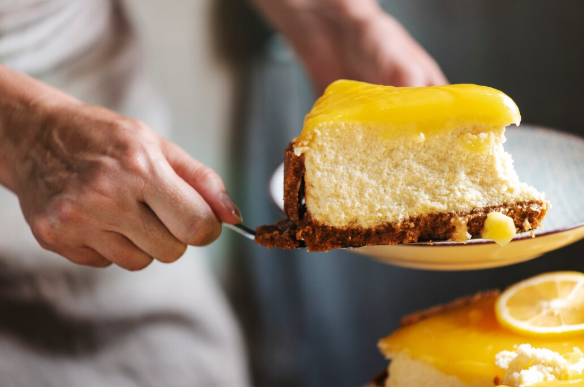
Whether you are an experienced baker or someone making dessert for the first time, cheesecake mix can make the process much easier without sacrificing the creamy, rich texture people expect from a classic cheesecake. These prepared blends are designed to simplify baking or chilling by combining several essential ingredients into a convenient base. Depending on the product, you may only need to add a few ingredients before creating a delicious dessert.
From traditional baked cheesecakes to quick no-bake desserts, understanding how these mixes work can help you choose the right option and achieve better results. This guide explains the different types available, how to prepare them, ways to customize your dessert, common mistakes to avoid, and creative serving ideas.
What Is a Cheesecake Mix?
A cheesecake mix is a prepared combination of ingredients intended to simplify cheesecake preparation. The exact ingredients vary by brand and style, but many products contain some combination of sugar, dairy ingredients, starches, flavoring, and stabilizers.
Some mixes are designed for baked desserts, while others are specifically formulated for no-bake cheesecakes. The preparation method is important because the ingredients and ratios are developed to produce the desired texture under particular conditions.
Instead of measuring numerous dry ingredients individually, home bakers can start with a prepared base and add ingredients such as cream cheese, eggs, butter, milk, or water, depending on the instructions.
Why Use a Prepared Cheesecake Base?
There are several reasons these products are popular:
- They reduce preparation time.
- They make measuring easier.
- They can provide more consistent results.
- They are convenient for beginners.
- They are useful when preparing desserts for gatherings.
- They allow easy customization with toppings and flavors.
Convenience is one of the biggest advantages, particularly when you want homemade-style dessert without spending a lot of time measuring ingredients.
Different Types of Cheesecake Mixes
Not every product works in the same way. Choosing the correct type is one of the most important steps.
Baked Cheesecake Mix
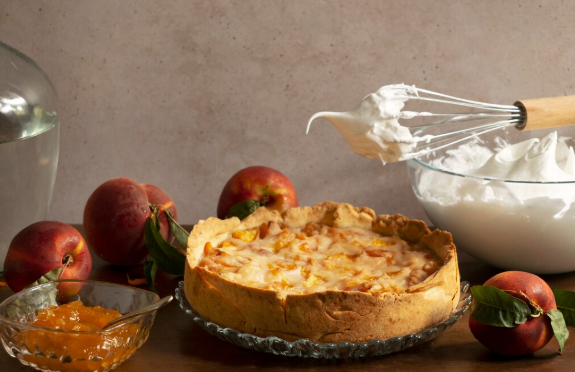
Baked varieties are designed to be combined with ingredients and then cooked in an oven. They typically require ingredients that help create a firm but creamy structure after baking.
Eggs are commonly included in the preparation process because they help the filling set during cooking. The finished dessert usually has a dense, smooth texture.
No-Bake Cheesecake Mix
No-bake versions are designed to set through refrigeration rather than oven heat. They can be particularly useful when you want a quick dessert or prefer not to use an oven.
Depending on the product, preparation may involve cream cheese, whipped topping, milk, or another liquid ingredient. Refrigeration allows the filling to become firm enough to slice.
Instant Dessert Mixes
Some products are formulated for especially quick preparation. These can be useful for individual servings, parfaits, dessert cups, or last-minute entertaining.
They may have a lighter texture than traditional baked cheesecake, making them suitable for layered desserts.
Choosing the Right Product
Before purchasing a mix, consider what kind of dessert you want to make. A product designed for a baked cheesecake will not necessarily work for a refrigerator-set dessert.
| Feature | Baked Version | No-Bake Version |
|---|---|---|
| Preparation | Usually requires oven | Usually requires refrigeration |
| Texture | Dense and creamy | Often lighter and softer |
| Typical setting method | Heat | Chilling |
| Preparation time | Generally longer | Generally shorter |
| Best for | Traditional cheesecake | Quick desserts |
Also check the package instructions carefully. Preparation requirements can differ considerably between products.
What to Check on the Package
Look for:
- Required ingredients
- Preparation time
- Baking or chilling requirements
- Yield
- Storage instructions
- Allergen information
- Serving suggestions
Reading the directions before starting can prevent mistakes, especially if you are preparing the dessert for the first time.
How to Prepare a Cheesecake Successfully
Although the exact method depends on the product, a few general practices can improve your results.
1. Prepare the Crust
A cheesecake usually begins with a crust made from crushed cookies or graham crackers mixed with melted butter. Press the mixture evenly into the bottom of the pan.
For a firmer crust, press it firmly using the bottom of a glass or measuring cup. If the recipe calls for baking the crust, allow it to cool before adding the filling.
2. Bring Ingredients to the Right Temperature
If the instructions call for cream cheese, using softened cream cheese can make mixing easier. Cold cream cheese may remain lumpy, resulting in an uneven filling.
However, follow the product directions rather than assuming every recipe requires room-temperature ingredients.
3. Mix Carefully
Overmixing can sometimes introduce excessive air into a cheesecake filling, particularly when eggs are involved. Too much air may contribute to cracks or changes in texture during baking.
Mix until the ingredients are combined and smooth rather than continuing unnecessarily.
4. Follow the Setting Instructions
For baked desserts, pay attention to oven temperature and baking time. For no-bake desserts, allow enough refrigeration time for the filling to become properly firm.
Avoid cutting into the dessert too early. A cheesecake may appear set around the edges while remaining soft in the center.
Tips for a Smooth and Creamy Texture

Texture is one of the defining characteristics of a good cheesecake. Small preparation choices can make a noticeable difference.
Avoid Overbaking
One of the most common mistakes with baked cheesecake is leaving it in the oven too long. The center should generally have some controlled movement when the cheesecake is finished, depending on the recipe.
Residual heat continues cooking the filling after the pan is removed.
Don’t Rush the Cooling Process
After baking, allow the dessert to cool according to the recipe instructions. Sudden temperature changes can affect its appearance and texture.
Once sufficiently cooled, refrigerate it before slicing.
Use a Sharp Knife
For neat slices, use a sharp knife and wipe it clean between cuts. For an especially polished presentation, briefly warm the blade with hot water and dry it before slicing.
Ways to Customize Your Dessert
One advantage of using a prepared base is that you can focus on flavor and presentation.
Fruit Toppings
Fresh fruit adds color, freshness, and natural sweetness. Popular options include:
- Strawberries
- Blueberries
- Raspberries
- Mango
- Peaches
- Cherries
Fruit can be placed directly on individual slices or turned into a sauce.
Chocolate Variations
Chocolate lovers can add melted chocolate, chocolate chips, cocoa-based toppings, or chocolate shavings.
Dark chocolate works particularly well with rich cheesecake because its bitterness can balance sweetness.
Nutty Toppings
Chopped pecans, walnuts, almonds, or hazelnuts can add crunch. Toasting the nuts first can enhance their flavor.
Caramel and Other Sauces
Caramel sauce, berry sauce, chocolate sauce, and fruit compotes can transform a simple cheesecake into a restaurant-style dessert.
Creative Dessert Ideas
A traditional round cheesecake is only one possibility.
Cheesecake Cups
Prepare the filling and layer it with cookie crumbs in small glasses. Add fruit or chocolate between the layers.
This approach is useful for parties because guests can receive individual portions without needing to slice a large cake.
Mini Cheesecakes
Small molds can be used to create individual cheesecakes. These are especially convenient for celebrations because they are already portioned.
Cheesecake Parfaits
Alternate layers of creamy filling, crushed cookies, fruit, and sauce in transparent glasses. The result is visually appealing and requires little decorating skill.
Dessert Bars
Instead of using a traditional round pan, prepare the dessert in a square or rectangular baking dish. Once chilled, cut it into bars.
This format works particularly well for potlucks and casual gatherings.
Common Mistakes to Avoid
Even convenient products can produce disappointing results if preparation instructions are overlooked.
| Common Problem | Possible Cause | Helpful Solution |
|---|---|---|
| Lumpy filling | Ingredients too cold | Soften ingredients when instructions allow |
| Cracked surface | Overmixing or overbaking | Mix appropriately and monitor baking |
| Soft center | Insufficient setting time | Bake or chill for the recommended duration |
| Soggy crust | Excess moisture | Measure liquid ingredients accurately |
| Difficult slicing | Not chilled enough | Refrigerate until properly set |
| Uneven texture | Incomplete mixing | Scrape the bowl and combine thoroughly |
Adding Too Much Liquid
One of the easiest ways to change the texture is to add extra milk, water, or another liquid. Even a small difference can make a filling too soft.
Measure ingredients carefully instead of adjusting quantities casually.
Ignoring Storage Requirements
Cheesecake generally contains perishable ingredients, so proper refrigeration is important. Follow the product’s storage directions and avoid leaving the finished dessert at room temperature for extended periods.
How to Make It Taste More Homemade

A prepared base does not mean the finished dessert has to taste ordinary. A few thoughtful additions can make a significant difference.
Use a quality crust, fresh toppings, and complementary sauces. Vanilla, citrus zest, fruit, spices, or chocolate can add depth without overwhelming the main flavor.
Presentation also matters. A simple cheesecake can look sophisticated when served with carefully arranged fruit, a light sauce drizzle, and a small garnish.
Balance Sweetness
If the dessert is already quite sweet, choose toppings with contrasting flavors. Fresh berries, citrus, unsweetened whipped cream, or dark chocolate can help create a more balanced bite.
Avoid adding several very sweet toppings at once unless you specifically want an intensely sweet dessert.
Serving and Storage Tips
Cheesecake is often best served chilled. Refrigerating it also makes slicing easier.
For gatherings, prepare the dessert several hours in advance when possible. This gives the filling enough time to set and allows the flavors to develop.
Store leftovers in a covered container or tightly wrapped pan in the refrigerator. If you need to keep the dessert longer, check whether the particular recipe or product instructions provide suitable freezing guidance.
When freezing is appropriate, individual slices can be convenient because you can thaw only what you need.
Key Points to Remember
- Choose a product designed for your intended preparation method.
- Read all package instructions before beginning.
- Measure added ingredients accurately.
- Avoid unnecessary overmixing.
- Give baked desserts adequate cooling time.
- Allow no-bake desserts enough refrigeration time.
- Customize with fruit, chocolate, nuts, or sauces.
- Keep finished desserts properly refrigerated.
- Use a clean, sharp knife for attractive slices.
- Do not change liquid quantities without considering their effect on texture.
Final Thoughts
A prepared cheesecake base can make dessert preparation faster, more approachable, and more consistent. The key is understanding whether you are working with a baked or no-bake product and following its preparation instructions carefully.
Once the basic technique is comfortable, there are plenty of opportunities to personalize the dessert. Fresh fruit, chocolate, nuts, sauces, flavored crusts, and individual portions can turn a simple preparation into something suitable for birthdays, holidays, dinner parties, or an everyday treat.
The best results come from combining convenience with careful preparation. Measure accurately, allow sufficient setting time, and focus on balanced flavors and attractive presentation.
FAQs
1. Can I add extra ingredients to a cheesecake preparation?
Yes, many varieties can be customized with toppings, fruit, chocolate, nuts, or flavorings. However, avoid changing the required liquid or structural ingredients unless the instructions specifically allow it.
2. Why does my cheesecake filling have lumps?
Lumps are often caused by ingredients that have not blended properly. Depending on the recipe, allowing certain refrigerated ingredients to soften before mixing can help create a smoother consistency.
3. How long should cheesecake chill before serving?
The required time varies by recipe and product. No-bake desserts generally need sufficient refrigeration to firm up, while baked versions should cool and then be refrigerated according to their instructions.
4. Can cheesecake be prepared ahead of time?
Yes. Preparing it several hours before serving can actually be helpful because it gives the filling time to set and makes slicing easier. Keep it refrigerated until serving.
5. What toppings work well with cheesecake?
Fresh berries, fruit sauces, caramel, chocolate, nuts, whipped cream, and citrus-based toppings are popular choices. Select toppings that complement the sweetness and richness of the dessert.


2 thoughts on “Cheesecake Mix: A Complete Guide to Choosing, Preparing, and Using It”