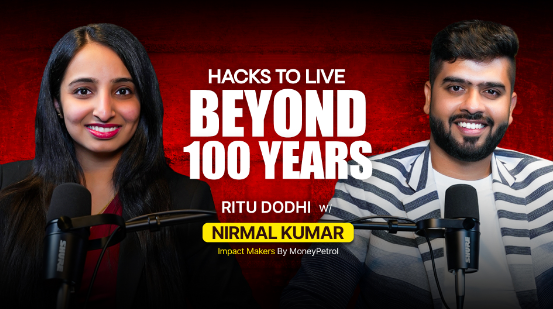
The Nirmal Kumar Podcast has become an inspiring space for conversations about wellness, preventive healthcare, and the changing priorities shaping the future of medicine. Across the world, healthcare systems are beginning to shift from treating illness after it appears to creating lifestyles and environments that help people stay healthy from the beginning. This transition from “sick-care” to “well-care” reflects a deeper understanding of what true health really means in modern society.
Understanding the Shift From Treatment to Prevention
For decades, healthcare systems primarily focused on diagnosing diseases and treating symptoms after they developed. Hospitals, clinics, and medical advancements became centered around curing illness rather than preventing it. While these systems have saved countless lives, they often leave little room for proactive wellness strategies that address long-term health before complications arise.
Today, the conversation is changing rapidly. Rising stress levels, sedentary lifestyles, poor nutrition, and increasing mental health concerns have made people realize that health is more than the absence of disease. Wellness now includes emotional balance, preventive care, fitness, nutrition, sleep quality, and mental resilience.
Nirmal Kumar strongly advocates for this transformation in healthcare thinking. Rather than relying solely on reactive treatment models, he encourages a future where individuals take greater ownership of their well-being through education, awareness, and healthier daily habits.
Why Well-Care Matters More Than Ever
Modern life has become increasingly fast-paced and digitally connected, but this convenience often comes at the cost of physical and mental health. Many professionals spend long hours sitting indoors, consuming processed food, and operating under constant stress. As a result, lifestyle-related conditions such as diabetes, obesity, anxiety, and heart disease are becoming more common across all age groups.
The concept of well-care focuses on preventing these issues before they escalate into serious medical conditions. It promotes the idea that small, consistent lifestyle choices can significantly improve quality of life over time. Healthy eating, regular movement, mindfulness, and proper sleep are no longer considered optional habits but essential parts of maintaining long-term wellness.
Nirmal Kumar emphasizes that the future of health depends on changing how society views wellness. Instead of waiting for illness to force lifestyle changes, individuals and communities must prioritize proactive health practices from an early stage.
The Role of Technology in Modern Wellness
Technology is playing a major role in transforming healthcare into a more preventive and personalized experience. Wearable devices, fitness tracking applications, digital consultations, and AI-powered diagnostics are giving people more control over their health than ever before.
Modern wellness tools allow individuals to monitor sleep patterns, heart rate, stress levels, and physical activity in real time. This access to personal health data encourages greater awareness and accountability. Rather than visiting healthcare providers only during emergencies, people can now track their health consistently and make adjustments before problems become severe.
Nirmal Kumar often highlights how technology can support healthier lifestyles when used intentionally. Digital innovation has the potential to make wellness more accessible, especially for younger generations who already integrate technology into nearly every aspect of daily life.
Mental Health as a Core Part of Well-Care
One of the most important changes in modern healthcare conversations is the growing recognition of mental health. Emotional well-being is no longer treated as separate from physical health. Stress, burnout, anxiety, and emotional exhaustion can affect sleep, immunity, energy levels, and overall quality of life.
The well-care movement encourages a more holistic understanding of health where mental and emotional wellness receive equal attention. Practices such as mindfulness, meditation, work-life balance, and emotional self-awareness are becoming increasingly important in both personal and professional environments.
Nirmal Kumar speaks openly about the need to normalize discussions around mental wellness. In high-pressure societies where productivity often takes priority over personal health, creating space for emotional balance has become essential. Health is not simply about surviving illness; it is about creating conditions where people can genuinely thrive.
Building Healthier Communities Through Awareness
Well-care is not only an individual responsibility but also a collective effort. Families, schools, workplaces, and communities all influence daily habits and overall wellness. Creating healthier environments can encourage better lifestyle choices and reduce long-term health risks.
Corporate wellness initiatives, community fitness programs, healthier food options, and educational campaigns are all contributing to this cultural shift. Businesses are also beginning to recognize that employee well-being directly impacts productivity, creativity, and long-term performance.
Nirmal Kumar believes that awareness and education are key drivers of lasting change. When people understand how their daily choices affect their future health, they become more empowered to make informed decisions. Wellness becomes sustainable when it is integrated into everyday culture rather than treated as a temporary trend.
Redefining Success Through Better Health
In many modern societies, success has traditionally been associated with financial achievement, career advancement, and external recognition. However, rising levels of stress and burnout are challenging these definitions. Increasingly, people are realizing that success without health and peace of mind is difficult to sustain.
The well-care movement encourages a broader definition of success that includes physical vitality, emotional balance, meaningful relationships, and long-term quality of life. Healthy individuals are often more productive, focused, and capable of enjoying personal and professional achievements more fully.
Nirmal Kumar continues to inspire conversations around creating balanced lifestyles that support both ambition and wellness. Rather than choosing between career growth and personal health, the future lies in finding sustainable ways to prioritize both.
The Future of Healthcare Is Human-Centered
As healthcare systems continue evolving, the future of wellness will likely become more personalized, preventive, and human-centered. Medical advancements will remain important, but equal attention will be placed on lifestyle, emotional health, and environmental well-being.
The growing popularity of conversations focused on holistic health reflects a larger cultural transformation taking place around the world. Audiences are increasingly interested in meaningful discussions that explore not only medicine but also mindfulness, lifestyle balance, and preventive care. Platforms such as Dubai podcasts are contributing to these conversations by creating spaces where experts, wellness advocates, and thought leaders can share ideas that shape the future of healthier living.